


Are You Stressed by Your Fitness Routine?
When we find ourselves questioning the reasons for exercising and dragging ourselves to the gym just to complete a workout routine, we need to pause and evaluate whether our habits are adding more stress to our lives than they relieve.
If you are NOT approaching working out as a journey of self-discovery and a positive learning experience, physical activity can easily transform into an emotional and physical burden. In simple terms, you may be experiencing fitness-induced stress and exercise burnout.

Table of Contents
- Are You Stressed by Your Fitness Routine?
- Why Exercise Is Essential for Stress Relief
- Shifting Your Workout Strategy
- Building a Sustainable Fitness Journey
- Recognizing Overtraining Syndrome and High Cortisol
- Embracing Rest and Recovery Days
- How Exercise Helps Reduce Stress
- Spending Time in Nature and HRV
- Frequently Asked Questions
- Recommended Tipz
Why Exercise Is Essential for Stress Relief
The U.S. Department of Health and Human Services suggests that “All Americans should engage in regular physical activity to improve overall health and fitness and to prevent negative health outcomes.“
We are well aware of the health benefits of a consistent workout routine, whether you train in the morning before work or after leaving the office. To maximize those benefits, it is crucial to eliminate unnecessary tension and learn how to align physical exertion with stress management.
The post-workout boost of endorphins can dramatically improve your mood. Endorphin release helps reduce the mental strain of a hectic workday, keeps you energized, and assists in reaching your physical composition goals. When balanced correctly, physical movement is one of the most effective tools to clear your mind.
Many individuals start exercising following advice from a physician regarding cardiovascular health. Others begin training because a friend needs a reliable workout partner. However, problems arise when motivation is driven purely by societal pressure, rigid comparisons, or social media ideals, which can quickly turn healthy movement into psychological stress. If you want to explore broader balance, check out our guide on embracing fitness without stress from a holistic approach.
Shifting Your Workout Strategy
It is critical to pay attention to what your body is communicating. If you are struggling with weight management despite spending endless hours at the gym, feeling persistently drained rather than energized, experiencing insomnia, or noticing a low sex drive, your body is signalling that your current protocol is unsustainable.
Feeling irritated by strict meal plans or dreading repetitive training sessions are clear indications of physical and mental fatigue. Constant digital comparison can also deplete your focus; learning about digital clutter and how screen time drains mental energy can help you reclaim mental space. When these symptoms appear, it is time to evaluate whether you are training for health or out of obligation.

Building a Sustainable Fitness Journey
Take charge by personalizing your training intensity and establishing realistic milestones. Seeking guidance from a qualified trainer or health professional can provide structure if you are unsure where to begin.
Remember that trying to satisfy external expectations is an impossible task, as external benchmarks continually shift. Focusing internally allows you to set achievable goals centered around functional strength and mental clarity.
A resilient body requires more than just low body fat and muscular strength. True wellness demands balance across your mental, physical, and emotional states, supported by nutrient-dense nutrition and adequate restorative sleep.
Recognizing Overtraining Syndrome and High Cortisol
Pushing past your physical limits without sufficient rest can lead to Overtraining Syndrome (OTS). When physical stress exceeds your capacity to recover, your body responds by producing elevated levels of the stress hormone Cortisol. Chronic high cortisol disrupts metabolic function, impairs immune health, causes irritability, and contributes to mental burnout.
Excessive physical pressure—whether self-imposed or driven by external standards—can compromise overall physiological immunity. If you want to support your body’s natural defenses alongside smart recovery, read our full guide on how to bulletproof your immune system naturally.
It is easy to overlook muscle tissue repair and central nervous system recovery, especially when adhering to high-frequency workout schedules without adequate periodization.
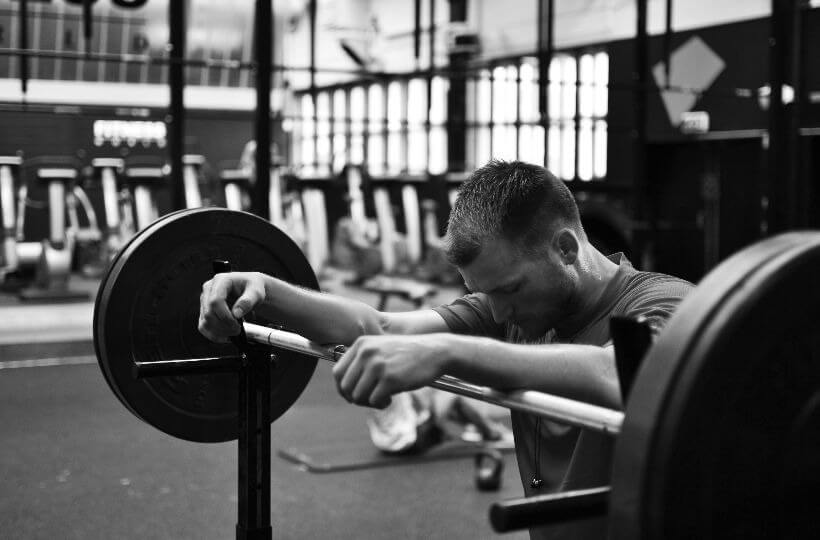
Competitive athletes often push through extreme fatigue to maintain performance levels. Research published in the International Journal of Environmental and Science Education notes that high-performance athletes frequently experience greater physiological stress markers compared to individuals who participate in recreational physical activity purely for health and maintenance.
Embracing Rest and Recovery Days
Prioritizing deliberate rest days allows your central nervous system to reset and your muscle fibers to rebuild. Recovery is not a sign of weakness; it is a fundamental biological prerequisite for physical progress and long-term vitality.
Using intense exercise to overcompensate for dietary indulgences creates a cycle of guilt and physical exhaustion. This mindset drives systemic stress rather than health improvements.
Physical movement should be an enjoyable celebration of capability rather than a punishment. Reframe your workouts as intentional tools to release anxiety, build resilience, and enhance your quality of life.
How Exercise Helps Reduce Stress
When structured correctly, exercise is one of the most effective ways to lower stress. You do not need extreme endurance training or daily high-intensity sessions to gain significant physiological benefits.
According to research highlighted in the Harvard Health Letter, moderate physical activity—such as 30 minutes of brisk walking per day—is sufficient to stimulate positive cardiovascular and neurological adaptations.

During colder months or periods of low motivation, maintaining consistency can feel challenging. Identifying sustainable indoor or outdoor activities you genuinely enjoy helps preserve your routine year-round.
Spending Time in Nature and Heart Rate Variability (HRV)
Engaging in outdoor activities significantly boosts overall well-being. Exercising in natural surroundings helps improve Heart Rate Variability (HRV)—a key measure of autonomic nervous system balance and recovery status. Higher HRV reflects greater parasympathetic activity and better stress adaptability.

Surrounding yourself with supportive training partners who prioritize health over competitive ego fosters a positive environment. Taking time to rest or reduce training load does not equal procrastination; it represents a commitment to sustainable physical development.
Listening to early signals of fatigue allows your body to adapt and build strength efficiently without reaching physical exhaustion.
Frequently Asked Questions
Q: How do I know if my workouts are increasing my stress?
A: Signs include persistent physical exhaustion, poor sleep quality, chronic irritability, reduced workout performance, and elevated resting heart rate caused by prolonged high cortisol levels.
Q: What is Overtraining Syndrome (OTS)?
A: Overtraining Syndrome happens when training workload consistently exceeds recovery capacity, triggering systemic fatigue, hormonal disruption, and emotional burnout.
Q: How does Heart Rate Variability (HRV) help track recovery?
A: HRV measures time variations between heartbeats. Higher HRV signals readiness for exertion, while lower HRV indicates elevated stress levels and a need for restorative light movement or full rest.
Recommended Tipz
Review the actionable dos and don’ts below to keep your fitness routine balanced and stress-free.
1. Get enough sleep to allow your body to recover from the last routine.
You can schedule sleep as an integral component of your workout program to protect muscle recovery and nervous system health.
2. Do meditation or yoga.
Doing relaxing activities like meditation or yoga can help declutter your mind. Be mindful of your goals, and even redefine them as you go down this journey of fitness. Meditation and yoga can also help your muscles heal by reducing the levels of cortisol in the body.
3. Go out to open spaces and enjoy nature.
Try to incorporate in your routine a day where you exercise outside. Change the atmosphere by going to a place with trees, a river, or do exercise on the beach. Try sports that take place out of the gym. Sports such as fishing, hiking, cycling, or swimming can bring plenty of benefits not only for excellent physical health but also for your mental health.
4. Take a massage.
Get rid of anxiety and reduce your blood pressure by taking a regular massage. Having a regular massage will allow your muscles to release the pain, heal, and recover for better performance.
5. Alternate the intensity of the workouts.
Alternating the intensity of your workout routines during the week can help your body rest and recover. Take 1 or 2 days for intensive training and the rest of the days for more relaxed exercise.
6. Have a partner.
Teaming up while exercising will help distract your mind from just completing a routine and make you enjoy the exercise. You can have a friend, a family member, or join a group that shares a similar interest in training and outdoor activities.
1. Refrain from making long sprints.
This will affect your performance in the long run and make you feel more tired instead of energized.
2. Don’t over-train.
Avoid over-training and enjoy the journey to your goals instead of rushing your body. Allow yourself regular rest breaks or reduce your training volume to avoid burnout.
3. Avoid pleasing others.
What about pleasing yourself for a change instead of the people around you.
4. Avoid repeating the same routine.
Your body gets used to the same activity to the point of using fewer and fewer calories with time. Create a method that mixes up a high and low-intensity workout with outside activities and focuses on different parts of the body for each exercise. For example, one day, you can do HIIT (High-intensity interval training) routine, the following day a walk, then shoulders exercises, and after that, some yoga or Pilates, and so on.
5. Do not forget to stretch.
Stretching is an effective way of keeping your muscles healthy and flexible, to avoid joint injuries and over-training. Stretching and yoga combine are excellent stress release activities.
6. Do not forget to keep yourself hydrated.
The importance of being hydrated cannot be stretch out enough and not only during exercise. Drinking water regularly will help you regulate your body temperature and provide nutrients to joints and muscles. It’s recommended that you drink water before, during, and after a workout routine. Furthermore, not necessarily needs to be water; there are sports drinks specialized in restoring what we lose during exercise.
Latest Posts
- Minimalist Parenting: How to Manage Toy Clutter for Good
- Digital Clutter: 11 Signs Your Phone Drains Your Energy
- How to Declutter Your Home Without Feeling Overwhelmed
- Why More Couples Are Choosing Private Gender Reveals Instead of a Party
- How to Bulletproof Your Immune System: The Natural Guide
Disclosure: When you purchase a service or a product through our links, we might earn a commission.