


Key Takeaways:
- Digital clutter consists of invisible distractions like redundant apps, unread emails, and incessant notifications that cause decision fatigue.
- Research from the American Psychological Association highlights that rapid context switching drains cognitive capacity and increases stress.
- Adopting a “Digital Diet” framework helps categorize screen consumption into nutritious content versus digital junk food.
- Practical habits—such as notification audits, screen-free zones, and weekly digital resets—restore clarity and focus.
Your home isn’t the only thing that can become cluttered.
Your phone can too.
Every notification, unread email, social media update, news alert, app download, and endless scroll session competes for the same limited resource:
Your attention.
Most people spend hours learning how to declutter your home without feeling overwhelmed, organizing kitchens, and tidying garages—or working to manage physical toy clutter in living spaces—while carrying around a digital junk drawer in their pocket.
The result?
Mental fatigue.
Constant distraction.
Reduced focus.
And the uncomfortable feeling that your brain never fully gets a chance to rest.
If you’ve ever felt overwhelmed by technology, you’re not alone. The average smartphone user receives dozens of notifications every day and checks their phone countless times without even realizing it.
The good news is that you don’t need to abandon technology to regain control.
You simply need to reduce the digital clutter that’s quietly draining your mental energy.
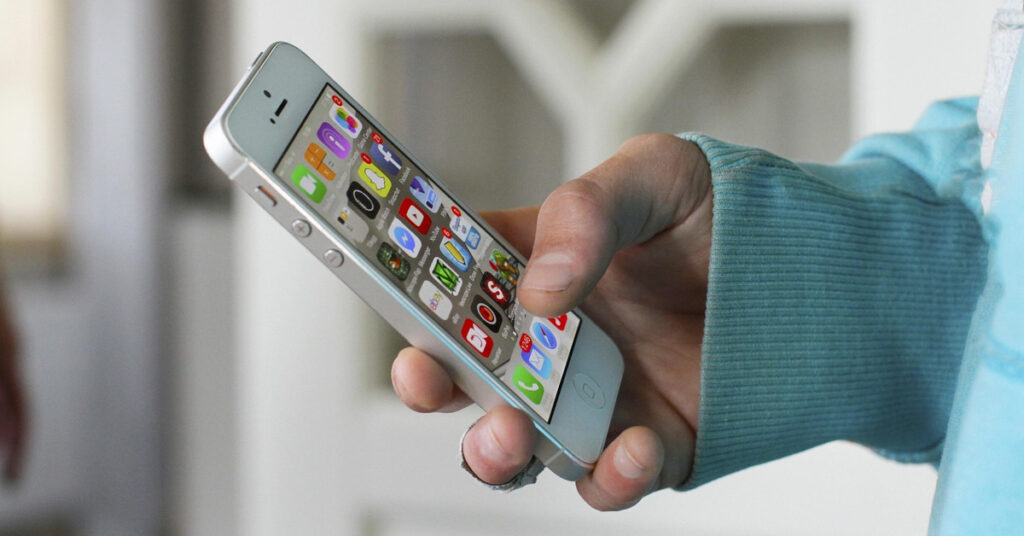
What Is Digital Clutter?
Digital clutter is the collection of apps, notifications, subscriptions, emails, files, online content, and digital habits that consume attention without adding meaningful value to your life.
Unlike physical clutter, digital clutter is invisible.
But its effects are not.
Digital clutter can lead to:
- Increased stress
- Reduced productivity
- Difficulty concentrating
- Information overload
- Poor sleep quality
- Anxiety and FOMO (Fear of Missing Out)
In many ways, digital clutter affects your mind the same way physical clutter affects your home.
Too much stuff.
Not enough space.
Comparing Physical vs. Digital Clutter
| Feature | Physical Clutter | Digital Clutter |
|---|---|---|
| Visibility | Highly visible in physical rooms | Hidden behind screens and inside apps |
| Brain Impact | Visual overstimulation and claustrophobia | Constant cognitive load and context switching |
| Trigger Mechanism | Physical obstacles and messy surfaces | Audio dings, pop-ups, badges, and push notifications |
| Cleanup Effort | Requires physical labor and spatial organizing | Requires intentional habits, settings audits, and deletion |
Why Digital Clutter Feels So Exhausting
Every decision requires mental energy.
Should I open this notification?
Should I answer this email?
Should I watch this video?
Should I check Instagram one more time?
Psychologists refer to this phenomenon as decision fatigue, a concept famously developed by psychologist Dr. Roy Baumeister. According to research published by the American Psychological Association (APA), continuous micro-decisions and frequent task-switching deplete our executive function, drastically reducing cognitive resources needed for deep focus and emotional regulation.
Furthermore, studies on cognitive load theory demonstrate that our working memory has strict capacity limitations. When flooded with continuous digital inputs—ranging from social updates to news feeds or even interactions with emerging tech like AI companions—our brains enter a state of chronic hyper-arousal.
Your phone may look organized on the outside, but if it constantly demands attention, it’s creating invisible mental clutter.
The Digital Diet Framework
At Juicy Tipz, we like to think about technology the same way we think about food.
Not all calories are created equal.
And not all content is created equal.
Imagine your digital life as a diet.
Digital Whole Foods
These nourish your mind and support growth.
Examples:
- Educational content
- Online courses
- Skill-building videos
- Meaningful conversations
- Productivity tools
- Wellness resources
Digital Processed Foods
These are enjoyable in moderation but easy to overconsume.
Examples:
- Entertainment videos
- Streaming services
- Casual social media browsing
- Gaming
Digital Junk Food
These provide quick dopamine hits while offering little long-term value.
Examples:
- Doomscrolling
- Rage-bait content
- Clickbait articles
- Endless notification checking
- Mindless app hopping
Just as a healthy diet isn’t built entirely on candy, a healthy digital life shouldn’t be built entirely on digital junk food.
11 Signs Digital Clutter Is Draining Your Mental Energy
1. You Check Your Phone Without Thinking
You unlock your phone and forget why you picked it up in the first place.
Habit has taken over intention.
2. Notifications Control Your Schedule
Every buzz, ding, or vibration instantly pulls your attention away from what matters.
3. You Feel Anxious When You’re Offline
A few minutes without your phone feels uncomfortable.
This is often a sign of FOMO.
4. You Constantly Switch Between Apps
Instagram.
Email.
News.
TikTok.
Messages.
Repeat.
Your attention never gets a chance to settle.
5. Your Inbox Feels Unmanageable
Thousands of unread emails create low-grade stress, even when you’re not actively thinking about them.
6. You Consume More Than You Create
You spend hours scrolling but very little time building, learning, creating, or connecting.
7. You Struggle to Focus on One Task
Digital interruptions train the brain to seek novelty rather than concentration.
8. You Feel Mentally Tired Despite Doing Very Little
Attention switching is surprisingly exhausting.
9. Your Screen Time Keeps Increasing
Many people are shocked when they check their weekly screen-time reports.
10. You Bring Your Phone Everywhere
Including places where it adds little value:
- the dinner table
- the bathroom
- social gatherings
- short walks
11. You Rarely Feel Fully Present
Part of your attention is always waiting for the next notification.
How to Declutter Your Digital Life
The goal isn’t perfection.
The goal is intentionality.
Conduct an Attention Leak Audit
Review every app on your phone and place it into one of three categories:
- Essential
- Useful but Optional
- Attention Leak
Delete or limit anything that repeatedly steals time without providing value.
Turn Off Non-Essential Notifications
Most notifications are requests for your attention, not emergencies.
Start by disabling:
- shopping alerts
- social media alerts
- promotional emails
- breaking news notifications
Create Screen-Free Zones
Designate areas where technology isn’t welcome.
Examples:
- bedroom
- dining table
- morning routine
- evening wind-down routine
Schedule Social Media Time
Instead of checking social media whenever boredom appears, choose specific times during the day.
This simple shift can dramatically reduce compulsive checking.
Practice a Weekly Digital Reset
Once a week:
- unsubscribe from emails
- delete unused apps
- clear downloads
- organize files
- review screen-time reports
Think of it as housekeeping for your digital life.
Take Control of Your Screen Time Today!
Ready to break free from digital overwhelm? Download our free 7-Day Digital Declutter Action Checklist to step-by-step simplify your phone, inbox, and notifications.
Join thousands of Juicy Tipz readers regaining focus and peace of mind.
Get Free Checklist PDFThe Benefits of Digital Minimalism
Digital minimalism is not about rejecting technology.
It’s about using technology intentionally.
When digital clutter decreases, many people experience:
- Improved focus
- Lower stress
- Better sleep
- Increased productivity
- Greater creativity
- More meaningful relationships
- A stronger sense of presence
You don’t necessarily need less technology.
You need less noise.
Use the Controls Your Phone Already Ships With
Every modern phone includes the switches this guide recommends, and they cost nothing to enable. On iPhone, iOS Screen Time shows how you actually spend your device time and lets you set limits (Apple’s Screen Time guide), while Focus modes — Do Not Disturb, Personal, Work — silence notifications by context instead of letting every notification badge pull you back in (Apple’s Focus guide). On Android, Digital Wellbeing gives you the same dashboard: screen time, times opened, and notification counts in one place (Google’s Digital Wellbeing guide). Turn on one Focus or Wellbeing profile tonight: it is the single highest-leverage decluttering step that requires no deleting at all.
Frequently Asked Questions
What is digital clutter?
Digital clutter is the accumulation of digital distractions such as apps, notifications, emails, files, subscriptions, and online content that consume attention without providing meaningful value.
How do I declutter my phone?
Start by deleting unused apps, turning off unnecessary notifications, organizing files, unsubscribing from unwanted emails, and tracking screen time.
What is digital minimalism?
Digital minimalism is a philosophy that encourages using technology intentionally while removing digital distractions that do not support your goals and values.
Can digital clutter cause stress?
Yes. Excessive notifications, information overload, and constant attention switching can contribute to stress, anxiety, and mental fatigue.
How much screen time is too much?
There is no universal number. The better question is whether your screen time aligns with your priorities and improves your quality of life.
Final Thoughts
Most people don’t have a technology problem.
They have an attention problem.
Technology is a tool.
A powerful one.
But every app, notification, email, and feed competes for your focus.
The more digital clutter you allow into your life, the harder it becomes to focus on what truly matters.
Start small.
Delete one app.
Turn off one notification.
Create one screen-free habit.
Because every bit of digital clutter you remove creates more space for clarity, creativity, and peace of mind.
And in a world designed to capture your attention, protecting it may be one of the healthiest things you can do.