


The offer usually arrives sideways: a set of china pushed across the table, a drawer held open, the sentence every adult child eventually hears — I want you to have this. The thing on offer is rarely just a thing. It is a parent asking, in the only language they have, whether the family record will survive them.
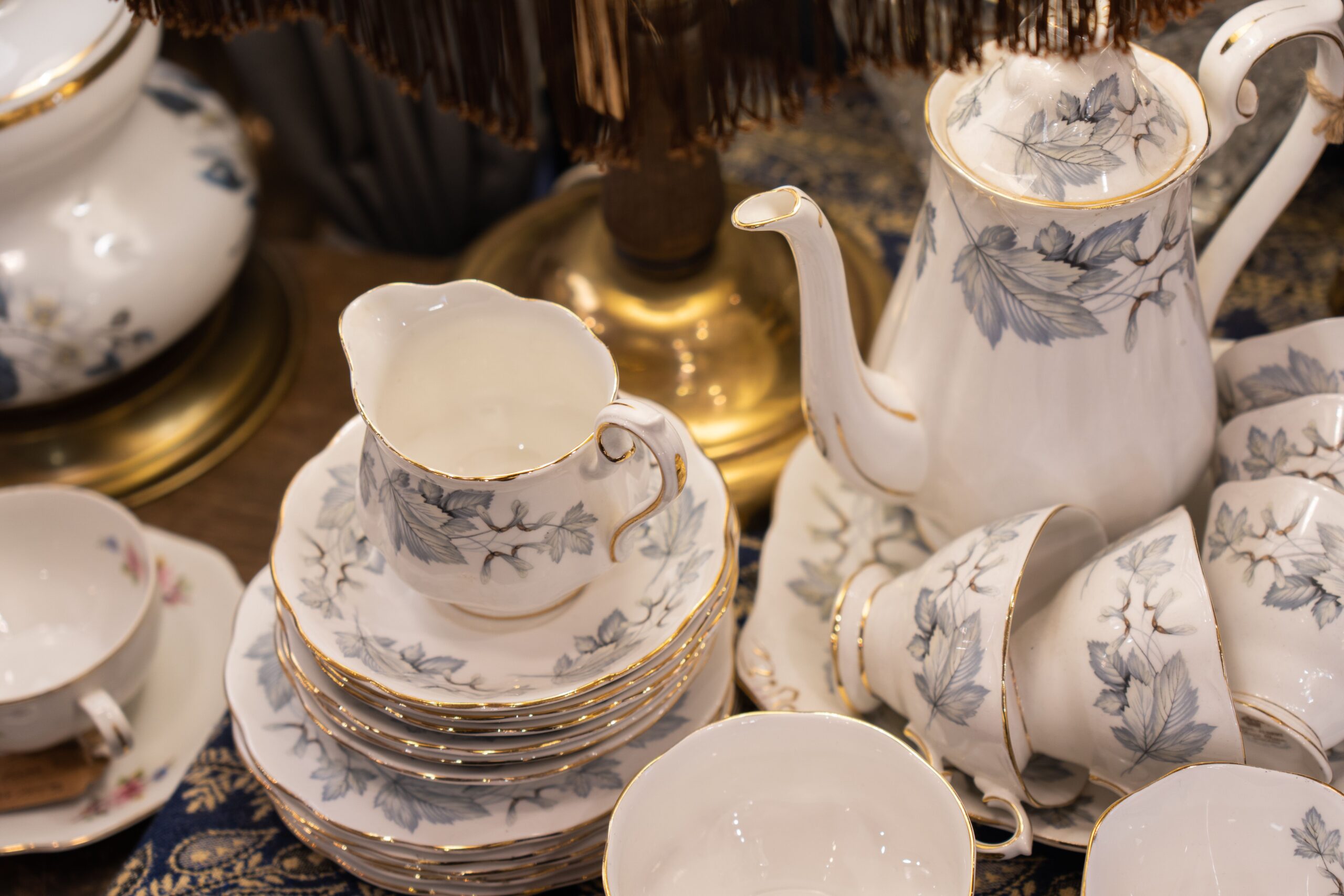
This guide is for the other side of that table: how to decline an heirloom kindly, how to keep the guilt from running the conversation, and five ways to honor what the piece carries without taking it home.
Declining an heirloom — short answer:
Say it early, say it warmly, and say it to the person, not about them: thank them for what the piece represents, name your limit plainly, and offer one alternative — a photograph with the story, a turn at choosing who takes it next, or time to decide. Declining the object is not declining the parent. The conversation gets harder the longer it waits.
Key terms, defined
Heirloom: something of special value handed down from one generation to another — the dictionary keeps a property clause in its first definition, but the second one is what families mean: value carried by story rather than price, so a wooden spoon can qualify as easily as a ring.
Inheritance guilt: the uneasy feeling that refusing a parent’s possessions betrays the parent, the person who originally owned the item, or the family record itself. It usually arrives before the conversation does, and it is strongest when nobody has ever said out loud who is supposed to take what.
Sentimental value: the meaning a person projects onto an object — the memory lives in people, and the object merely cues it. It is real but not shared evenly: the same brooch can be priceless to one sibling and storage space to another, so negotiating objects rarely settles the feelings behind them.
Boundary: a clear statement of what you will and will not accept, without apology or argument. In family conversations it names the limit and keeps the relationship intact — the point is not to win the exchange but to say no to the object while still saying yes to the person.
Key Takeaways
- Decline the object, accept the person: the no is about space and use, not about their taste or their history.
- Settle it while everyone is still speaking: disputes surface when the property decisions arrive — the quiet outcome is the one this guide exists to avoid.
- Ask before you advise: how they want to handle their things is a question first, a plan second.
- Offer an alternative every time: photograph it, record the story, take one piece, or help find it the next home.
- Guilt is mutual: both sides feel it — knowing that is what keeps the exchange kind.
- Honor lives in the story, not the shelf: provenance outlasts possession, and it fits in a folder.
Why This Conversation Is Getting Harder Now
Demographics set the stage. The baby boom generation is now estimated at about 73 million people, about 10,000 a day have crossed that age threshold of them entering their senior years, and all boomers will be at least age 65 — all of them — by 2030. The same projections have older adults outnumbering children under age 18 for the first time in U.S. history by 2034. A record number of houses are going to be emptied in a single generation, and the contents are pointing at a smaller set of adult children than any previous transfer needed.
The children, meanwhile, have changed what they want. As Psychology Today puts it, no matter how valuable, how beautiful, how family-historic some of it is, a generation raised with less room and different habits is refusing the crystal, the china and the hutch — politely, and then permanently. The same piece is a museum of somebody’s married life to one person and a storage problem to another, and making it easier to judge one another instead of understanding the reasoning is exactly what usually happens next.
This is also what the word is actually for: something of special value handed down from one generation to another. The dictionary’s first definition involves property and heirs; the second is the one families mean. Notice what it does not say — nothing about size, price, or obligation. The value is the story, and stories are lighter to keep.
Why You Feel Guilty (And Why They Feel Hurt)
Start with what the objects are doing in people’s heads. Our possessions become extensions of the self — that is not poetry, it is the working description in psychology, and it explains why a cleared-out bedroom reads as an erasure rather than a tidy-up. The same review traces a form of magical thinking that re-appears in adulthood in our treatment of heirlooms: the sense that the object holds an essence nothing else can replace.
So the parent who cannot part with forty years of linens is not being difficult, and the child who does not want them is not being cruel. Research on mothers clearing their children’s things found both groups experienced guilt around their decisions — the ones who kept felt the weight of it, and the ones who let go felt the accusation of it. Guilt in this conversation is mutual, and naming that out loud is usually what defuses it: you are not taking something from them, you are both standing in front of the same pile holding different feelings about it.
Loss makes the stakes legible. People whose things are destroyed in a disaster are traumatised, almost as if grieving the loss of their identities — that is why a parent facing a move can sound as bereaved as someone at a funeral. The instinct is proportionate to what they think is ending. Your job in the conversation is to make clear what is not: the person, the record, the story — all of that stays.

What Waiting Costs
Delay is not neutral, and the flashpoints are predictable. In the research review, the recurring triggers of family fights over property include sentimental items nobody agreed how to divide — sitting right beside an unequal split that was never explained and a caregiver who expected recognition. The timing is what makes them brutal: decisions about property arrive in the weeks and months after a death, when people are exhausted and grieving, between people who may never have settled the older comparisons underneath.
The objects are the surface: objects can serve as a concrete link to the person, so dividing them can feel like dividing the parent — which is why the argument over a watch or a dining table is really an argument about who gets to keep the connection. Most disputes cool down over time; the ones that harden are the ones where nobody ever said what they wanted out loud. A sibling who stops replying after the will is read is the quiet version, and it can last for years. A kind no said today, in plain words, is one family never reaching that sentence.
How to Have the Conversation
- Ask before you advise. Open with how they would prefer to handle their possessions — not your plan for them. The question is the invitation; the answer tells you whether they want help at all.
- Elicit their priorities. What matters most, which pieces carry which stories, who else might want what — their answers become the map, and they did the deciding.
- Give them choices. Photograph or record; keep one or keep none; sibling A or sibling B. Options convert a loss into an exchange.
- Name the fears out loud. The resistance is almost never about the sofa: it is independence, burden, control, and being overruled — say those words before they have to.
- Preserve trust over winning. The goal is that they still call you next week. Being right about the china is worth less than that call.
Every line above comes from guidance written for parents who resist help, and keeps the relationship as the thing being preserved.
The evidence behind the ordering is practical rather than sentimental: when researchers asked older adults why they refuse help, they were afraid of losing their independence, becoming a burden on loved ones — and being taken advantage of or losing control over their own lives completed the list. The same sessions found what does land: acknowledging that people need one another from childhood to older age — interdependence, rather than being managed.
In practice that sounds less like a negotiation and more like a visit. Instead of announcing what will happen to the house, elicit their priorities and recognize their values when making suggestions, and give them choices whenever possible. The rule underneath every line: make preserving trust and keeping your relationship intact the priority — not winning the argument about the dining set. Scripts help when the moment comes — “I want the story more than the silver — will you write down who gave it to you and why?” — but the structure matters more than the wording.
Five Ways to Honor It Without Taking It
Every decline works better with an alternative attached, and the alternatives are cheap. The practical starting point: photographing your family heirlooms is a first step in preserving their legacy — phone camera, decent light, done. Pair each photo with its provenance, which the method defines as who owned it first, and who was it passed down to? plus where it was made, and why it mattered — especially important if you are getting rid of the item, because the sheet outlasts the object.
| Option | What you take on | What it costs | Best when |
|---|---|---|---|
| Photo + provenance sheet | One folder and ten minutes per item | A phone, a notepad, honest labels | Almost always — the default option |
| Record the story | A voice note or a conversation | An afternoon of asking questions | When the story matters more than the object |
| Take one piece | Daily use for one chosen item | The space it occupies | When one thing genuinely fits your life |
| Rehome within the family first | One round of texts to siblings and cousins | Coordination, maybe one no | Before anything is sold, donated, or stored |
| Keep it for a season | A dated box and a real deadline | Temporary space, an honest review | When you are not ready and you know it |
None of these options require you to become the family’s storage unit — two need no space at all, and recording the story usually satisfies the person handing you the piece better than taking it, because what was being offered was attention, not furniture.
There is one more move available, and it is the one to try before any no: how to declutter your home without feeling overwhelmed is the honest guide for the sorting itself — one area decided at a time — for the moment they do ask for help with the house rather than the handoff. Declining the offering and helping with the work are different conversations, and being good at the second one makes the first one easier.
When They Won’t Hear It
Expect the ask to come twice, or five times, and expect it to arrive with feeling. Repetition is not manipulation; it is a parent checking whether the no was real. Each time, the shape stays the same: thank, decline, offer the alternative, and change the subject back to them. What does not work is the soft yes that buys a month of peace and then fails — that is how pieces appear on your doorstep anyway.
Timing carries most of the failure rate. Do not open this during the move, during an illness, or in the week the will is being read — the conversation held then is really about fear, and no framework survives that. And when siblings are involved, settle it early and in writing: a list of who wants what, a deadline, one round of offers before anything leaves the family. Families that keep talking are the families that agreed while the agreeing was still informal.
The offer is also easier to receive than parents expect it to be — and once the children’s no has been said plainly, the parent gets to choose what happens next instead of discovering it later. The thoughtful gift-giving guide covers the choosing side of this exchange; what is described here is the receiving side, which is allowed to have its own rules.
Frequently Asked Questions
The questions every family asks in this conversation — with the direct answers.
Is it rude to decline an heirloom?
No — unspoken is ruder than clear. Etiquette problems start with the silent no: accepting out of politeness, storing the piece forever, letting resentment do the talking later. Thank the person for what it represents, decline the object plainly, and offer an alternative. A warm, specific no is easier to hear than a vague maybe that turns into a no through someone else’s mouth years later.
How do I tell my parents I don’t want their things?
Before they ask, not after they have decided. Ask how they would prefer to handle their possessions, name your limit without dressing it up as a plan for them, and give them choices — which siblings want what, what gets photographed, what gets sold.
What do we do with heirlooms nobody wants?
Run the family first, the market second. Offer pieces to siblings and cousins with a deadline — one round of texts, then the next option. Photograph each item with its provenance before it moves on, then sell, donate, or rehome responsibly. Nobody wanting the object is not a verdict on the family; it is a difference between what a thing meant and what a life now needs.
How do siblings divide sentimental items?
With a list and a deadline, before grief gets involved. Inventory the sentimental pieces, let each sibling mark what matters to them, and settle overlaps by taking turns choosing or drawing lots — the process research says removes the sense that someone is being favored. People routinely guess each other’s wishes wrong, so say what each person actually wants first: sentimental items nobody agreed how to divide are one of the recurring flashpoints.
Should I keep things for my own kids to decide later?
Only if you are honest that you are storing, not inheriting. Children learn what a family values by watching what it keeps and how — and an unopened box is a poor lesson. If a piece might matter to them, photograph it, tell the story, and let them see you use it. If it will not, the kindest thing is to stop the object before it becomes their burden to sort.
When is the right time to raise it?
Ordinary times: a visit, a holiday, a conversation that is already about the house. Do not open it mid-move, mid-illness, or in the room where the argument about the will is happening. The Census Bureau projects older adults will outnumber children under 18 for the first time by 2034, so starting early is what keeps both the things that matter and the relationships.
Start With One Conversation This Month
Pick the smallest version: one visit, one question — how do you want to handle your things when the time comes? — and no follow-up speech. Write down what they say. That note is the beginning of the inventory, and it came from them, which is the only way it will ever be accepted.
Then do one of the five: photograph one piece with its story, record ten minutes of who-gave-it-to-whom, or text the siblings the list. The conversation does not have to conclude today. It just has to stop being the thing nobody in the family is allowed to mention.